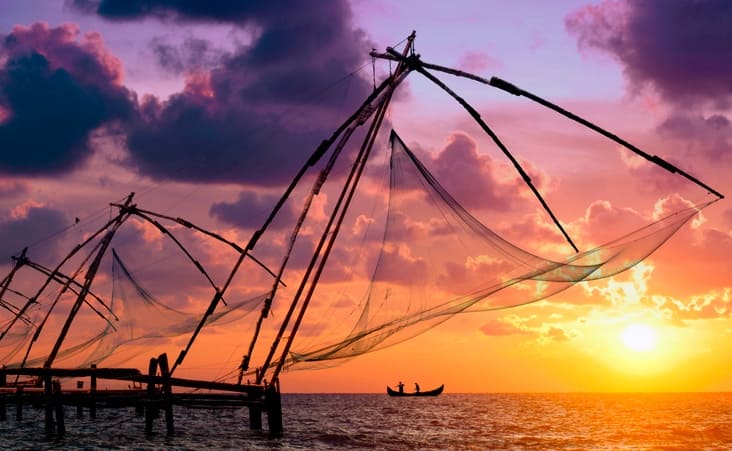
Before a fish reaches our plate, it often passes through a system most of us never see — one that is pushing ocean ecosystems to the brink. Overfishing is not just about catching too many fish; it’s about how modern commercial fishing has turned living oceans into extraction zones, with devastating consequences for marine life, coastal communities, and the planet.
The Reality of Overfishing
Today, over one-third of the world’s fish stocks are overfished. Industrial fleets travel farther, fish deeper, and stay out longer, removing fish faster than populations can recover. Species like tuna, cod, and sharks — once abundant — are now severely depleted in many regions.
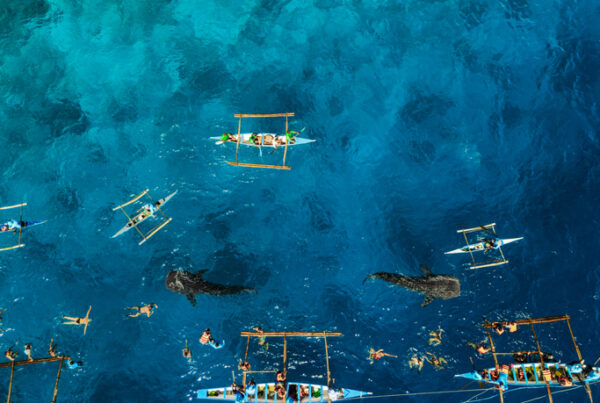
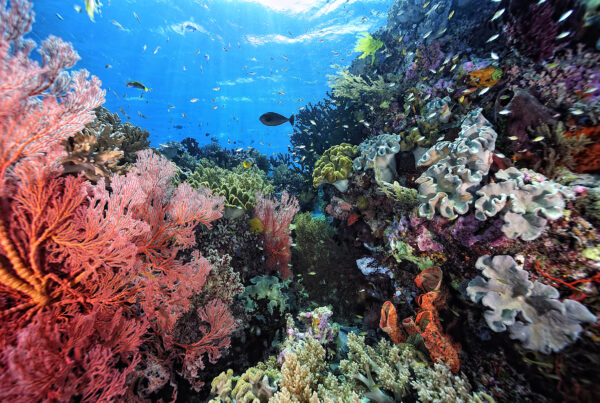
When key species disappear, entire food webs begin to collapse. Predators lose prey, reefs degrade, and the balance that keeps oceans healthy is disrupted. Overfishing doesn’t just affect fish; it threatens food security and livelihoods for millions of people who depend on the ocean.
The Horrors of the Commercial Fishing Industry
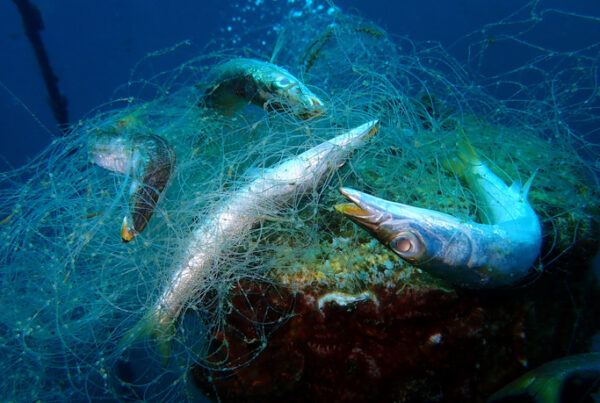
Much of this crisis is driven by large-scale commercial fishing practices. Trawlers scrape the seafloor, destroying habitats that took centuries to form. Longlines stretch for kilometres, catching not only target fish but also turtles, seabirds, and sharks as bycatch — often discarded back into the ocean, dead or dying.
Beyond environmental damage, the industry has a dark human side. Reports of forced labour, unsafe working conditions, and exploitation are disturbingly common in parts of the global fishing supply chain. What looks like a cheap seafood option often hides an enormous ethical cost.
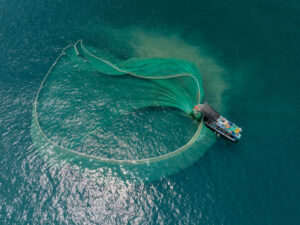
Commercial fishing activity at sea
Why Eating Less Fish Matters
We are often told that seafood is the “healthier” or more “sustainable” choice, but this is not always true. With fish stocks under extreme pressure, the most sustainable option is often to eat less fish — or none at all — and to be more mindful about where our food comes from.
Reducing fish consumption gives ocean populations a chance to recover. It also sends a clear message to industries and policymakers that consumers care about ethical, sustainable systems, not profit at any cost.
Eating Sustainably: What Can We Do?
Sustainable eating isn’t about perfection — it’s about progress. Simple choices can make a real difference:
- Reduce or eliminate fish from your diet, even if only for a short period
- Choose plant-based meals more often
- Ask questions about where seafood comes from and how it’s caught
- Support policies and organisations that protect marine ecosystems
Why I’m a Fish Free February Youth Ambassador
This is exactly why I’m proud to be a Fish Free February Youth Ambassador. Fish Free February is a global movement that encourages people to remove fish from their diets for the month of February and reflect on how our food choices impact the ocean.
As a youth ambassador, my role is to raise awareness, start conversations, and empower others — especially young people — to realise that their choices matter. Fish Free February isn’t about guilt or judgement; it’s about giving the ocean a break and rethinking our relationship with marine life.
Take the Pledge
The ocean cannot speak for itself — but we can. By taking the Fish Free February pledge, you are choosing compassion, sustainability, and a future where oceans are full of life, not empty nets.
Even one month without fish can spark lifelong change. Join me this February. Take the pledge. Let’s protect our oceans — one choice at a time.
Sign the Fish Free February pledge via the attached link and visit the Fish Free February website for sustainable, fish-free recipes and guidance on ocean-conscious food choices.
https://www.fishfreefebruary.com/pledge
Recommendation: Watch Seaspiracy on Netflix for a powerful, eye-opening look at overfishing and the commercial fishing industry — and why choosing fish-free matters.