When I first learned to dive, I imagined coral reefs as underwater cities full of colour, movement, and life. And often, they are. But I’ve also seen the opposite: silent, bleached skeletons where there should have been vibrant coral gardens. Those moments have stayed with me as stark reminders of both the fragility and the urgency of protecting our oceans.
What Are Coral Reefs?
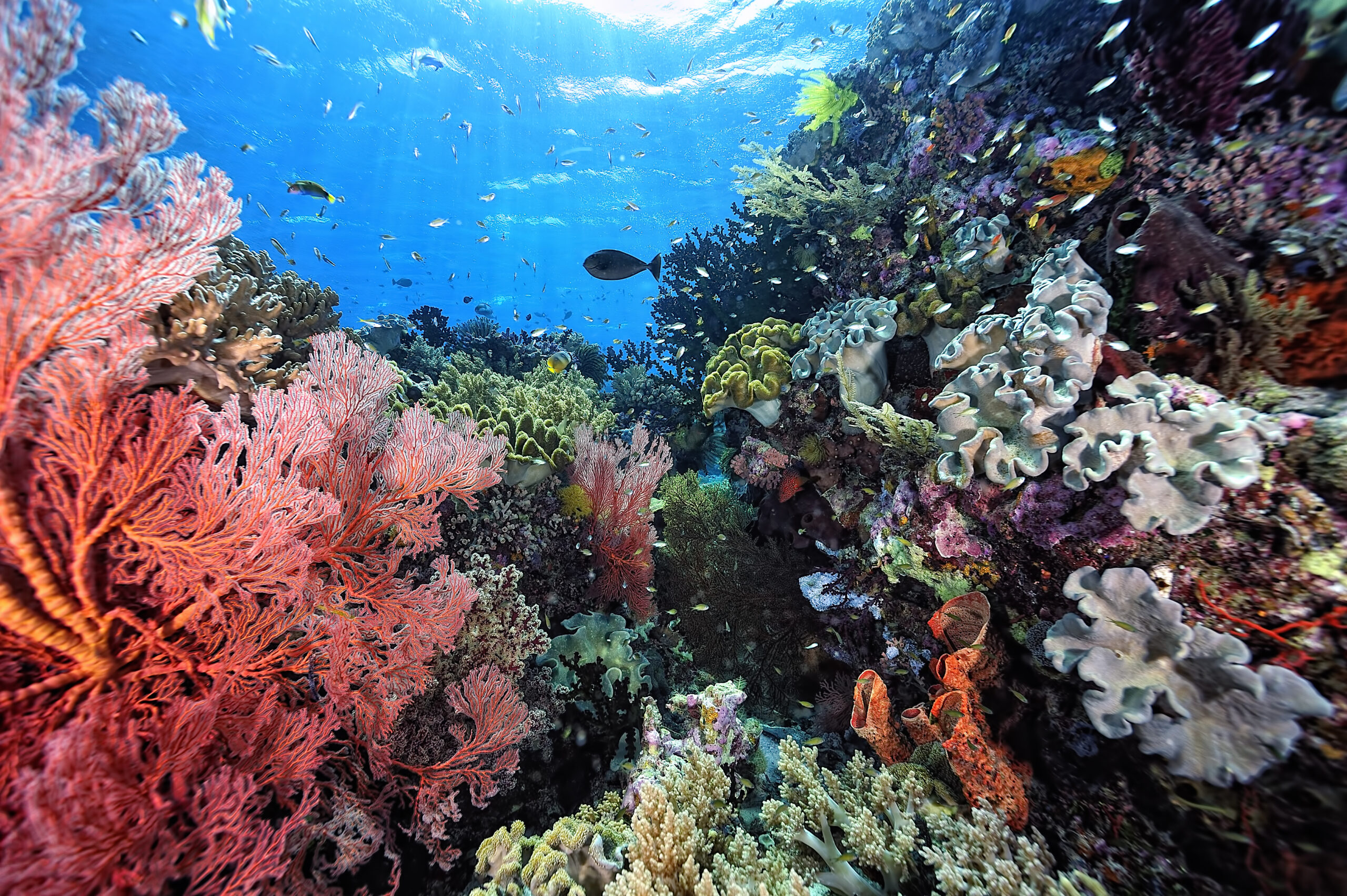
Coral reefs are often called the rainforests of the sea. They’re built by tiny animals called coral polyps, which form vast, intricate structures that provide food and shelter for around 25% of all marine species. From the smallest shrimp to giant manta rays, countless creatures depend on reefs for survival.
For us humans, reefs are equally vital. They:
- Protect coastlines from storms and erosion.
- Provide food and livelihoods for millions of people.
- Support tourism and local economies.
- Store immense biodiversity that holds potential for new medicines.
In short, coral reefs are not just beautiful, they are essential for the balance of the ocean and for our survival.
The Threats They Face
Despite their importance, coral reefs are dying at alarming rates. I remember one dive in the Maldives, expecting bursts of red, purple, and gold. Instead, I was met with pale, ghostly corals—an unmistakable sign of coral bleaching. It felt like swimming through a graveyard.
Bleaching happens when the ocean gets too warm, forcing corals to expel the algae that give them color and energy. Without these algae, corals can starve. Climate change is the biggest driver of this, but not the only one. Other threats include:
- Pollution from plastics, sewage, and chemicals.
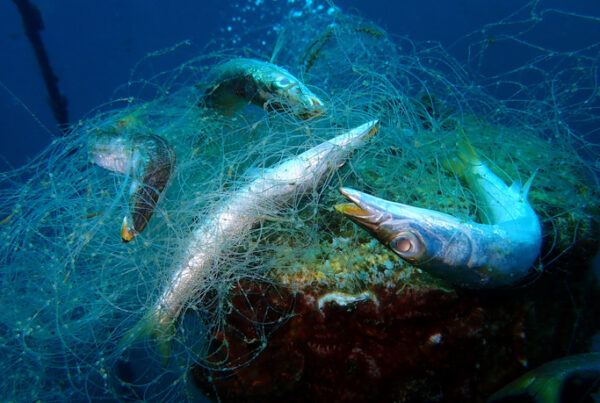
- Overfishing, which disrupts the balance of reef ecosystems.
- Coastal development, which causes sedimentation that smothers corals.
- Unsustainable tourism, such as careless anchoring or touching corals while diving.
The statistics are sobering. According to the Intergovernmental Panel on Climate Change (IPCC), if global warming exceeds 1.5°C, we risk losing 70–90% of coral reefs worldwide. At 2°C, over 99% could disappear. Already, around half of the world’s coral reefs have been lost since the 1950s.
If nothing changes, these vital ecosystems could vanish within our lifetimes.

This image shows a bleached coral reef, once vibrant, now ghostly white.
What’s Being Done
Thankfully, people around the world are fighting to save reefs. Restoration projects are growing coral fragments in nurseries and transplanting them back onto damaged reefs. Marine protected areas are giving ecosystems a chance to recover. Conservation groups are raising awareness, lobbying for stronger climate action, and working with local communities to protect their reefs.
Even in places where reefs have been devastated, I’ve seen signs of resilience—tiny corals beginning to grow again. That hope inspires me and reminds me that nature, if given a chance, can heal.
What We Can Do in Our Daily Lives
You don’t have to be a scientist or diver to make a difference for coral reefs. Here are some small but powerful steps we can all take:
- Cut carbon emissions: Reduce energy use, use public transport, and support renewable energy to fight climate change.
- Reduce plastic use: Single-use plastics often end up in the ocean, harming marine ecosystems.
- Be reef-safe: If you dive or snorkel, choose reef-safe sunscreen, don’t touch corals, and pick eco-friendly operators.
- Support conservation groups: Organisations working on reef protection rely on donations and awareness.
- Speak up: Share what you know. The more people who understand the importance of coral reefs, the stronger the push to protect them.
A Documentary to Watch
If you want to see coral reefs and their crises portrayed in astonishing detail, I highly recommend The Ocean with David Attenborough. Its stunning cinematography captures both the beauty and fragility of reefs, as well as the threats they face—including mass bleaching and destructive fishing. The documentary also shows that recovery is possible when we protect areas of the ocean and act responsibly.
Looking Ahead
The ocean has given me so much—moments of wonder, lessons in fragility, and a sense of purpose. Coral reefs, in particular, have shaped the way I see the world. Witnessing their decline has been heartbreaking, but it has also ignited in me the aspiration to dedicate my future to coral conservation.
The fate of reefs is still in our hands. If we act now, with urgency and care, these underwater rainforests can continue to thrive, for the fish that depend on them, for the communities that rely on them, and for the generations yet to come.