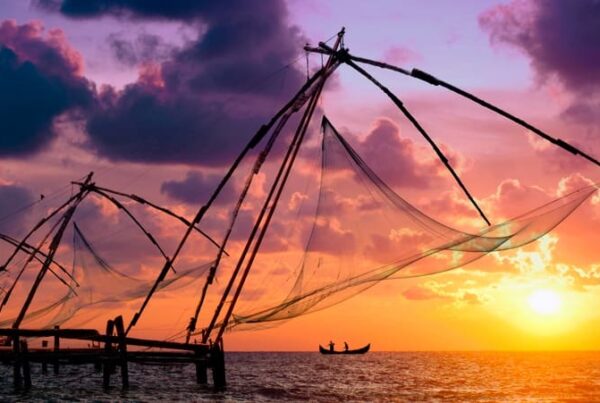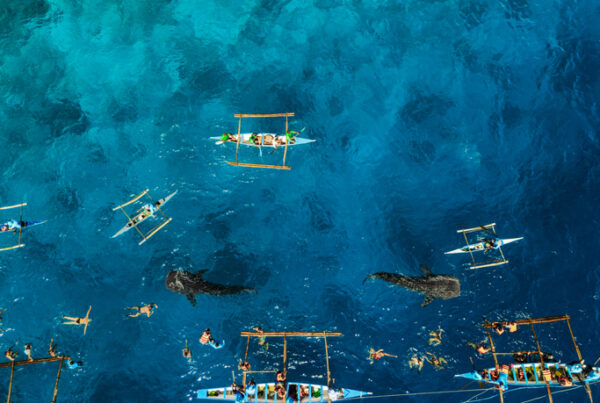

If you’ve ever walked along a beach and spotted a tangled ball of nylon rope or fishing net washed ashore, you’ve seen just a small part of one of the ocean’s biggest hidden dangers — ghost nets. Beneath the waves, these abandoned or lost fishing nets drift silently, continuing to trap, injure, and kill countless marine creatures long after the fishers have left.
What Are Ghost Nets?
Ghost nets are fishing nets that have been lost, discarded, or abandoned in the ocean. Made of tough synthetic materials like nylon or polyethylene, they can take centuries to degrade. Instead of disappearing, they continue to float or sink, “fishing” without fishermen — ensnaring turtles, dolphins, whales, sharks, and even coral reefs.
Many nets are lost accidentally during storms or when they snag on rocks or reefs. Others are dumped deliberately because they’re damaged or too expensive to retrieve. Once adrift, they become nearly invisible killers in the open sea.
Victims of the Invisible Trap
Every year, hundreds of thousands of marine animals die after getting caught in ghost nets. Sea turtles mistake them for floating shelters, only to become trapped. Dolphins and whales swim into them while chasing prey and end up with nets cutting into their fins and tails. Seals and seabirds can also become entangled, unable to surface for air or feed.
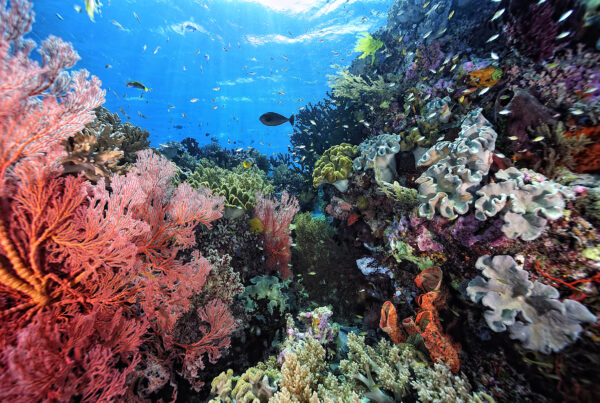
Even coral reefs — vital ecosystems that support one-fourth of all marine life — suffer as ghost nets settle over them, breaking delicate coral structures and blocking sunlight. Each trapped creature can attract predators or scavengers, which in turn get caught, creating a devastating cycle of entanglement.
The Overfishing Connection
Ghost nets are part of a much larger issue — overfishing. As global seafood demand grows, fishing fleets deploy more gear than ever before. This increases the likelihood of gear being lost or abandoned. In high-traffic fishing zones, nets often snag or tear, forcing fishers to cut them loose.
Overfishing also drives vessels into deeper, more remote waters, where recovering lost gear becomes nearly impossible. The result is an ocean increasingly filled with silent, deadly traps that persist for decades.
A Growing Global Problem
Ghost nets are a truly global issue — from the Arctic to the tropics. Studies estimate that 10% of all marine debris is made up of lost or abandoned fishing gear, but because of its durability and danger, ghost gear accounts for a disproportionate share of marine animal deaths.
In the Pacific Ocean, massive ghost nets drift across the open water, sometimes merging into floating garbage patches. In the North Atlantic, derelict lobster and crab pots trap fish long after being lost. The Great Barrier Reef in Australia, the Mediterranean Sea, and the Caribbean have all reported coral damage from entangled nets.
Even polar regions aren’t safe — ghost gear has been found frozen into Arctic sea ice, only to re-emerge decades later as the ice melts. The problem transcends borders, making international cooperation crucial.
Hope and Solutions Beneath the Surface
Despite the scale of the issue, there’s hope. Around the world, individuals, organizations, and governments are taking action.
- Cleanup Campaigns: Dive teams and environmental groups such as the Global Ghost Gear Initiative (GGGI) and Ocean Conservancy are removing ghost nets and working with fishing communities to prevent gear loss.
- Smarter Fishing Gear: Some companies are developing biodegradable nets and gear-tracking systems that allow fishers to locate and recover lost equipment.
- Policy and Collaboration: The United Nations Environment Programme (UNEP) and FAO are working with countries to improve waste management, enforce fishing regulations, and promote sustainable practices.
- Recycling Projects: Recovered nets are being transformed into useful products — from skateboards and carpets to sunglasses and swimwear — proving that ocean waste can be reborn as something valuable.
What You Can Do
Even if you live far from the sea, you can help protect it:
- Choose sustainably sourced seafood whenever possible.
- Support or donate to marine conservation organizations.
- Join or promote beach cleanups in your community.
- Reduce your own plastic waste — it all connects to the same pollution problem.
- Use your voice: share stories, raise awareness, and inspire others to care.
Every action, no matter how small, contributes to a healthier, safer ocean for all its inhabitants.
Author’s Note:
Ghost nets are haunting reminders of how our actions — and inactions — ripple through the oceans. But they’re also proof that when humanity works together, we can untangle even the most complex problems. The sea may be vast, but so is our capacity for change.