I Thought I Was Helping: Rethinking Ethical Ecotourism
During a trip to Sri Lanka, I visited a turtle conservation sanctuary that was presented as an ethical ecotourism experience. At the time, it felt meaningful and inspiring. I observed turtles up close, learned about conservation efforts, and believed my visit was contributing positively to wildlife protection. The experience left me feeling hopeful that tourism could play a role in conservation.
However, while researching for this article, I discovered information that challenged my initial impression. Numerous visitors and volunteers had raised concerns about animal handling practices, overcrowded conditions, and the stress placed on turtles due to constant human interaction. What I once believed was an ethical initiative may, in fact, have been contributing to the very harm it claimed to prevent. This realisation prompted me to examine ecotourism more critically.
Defining Ethical Ecotourism
Ethical ecotourism is intended to balance travel with environmental responsibility. At its core, it aims to protect ecosystems, prioritise animal welfare, support local communities, and educate visitors about conservation. When practised correctly, ecotourism places long-term environmental health above profit and entertainment.
The Benefits of Ethical Ecotourism
When implemented responsibly, ethical ecotourism can play a valuable role in conservation. It can provide funding for habitat protection, wildlife research, and restoration projects. It also helps educate travellers about environmental challenges, encouraging more sustainable behaviours beyond the trip itself.
Additionally, ethical ecotourism can benefit local communities by creating employment opportunities and supporting local businesses. This fosters a sense of shared responsibility for preserving natural environments and wildlife.
When “Ethical” Is Only a Label
Despite its positive intentions, ecotourism has increasingly become a marketing tool rather than a genuine practice. Many tour operators label themselves as “eco-friendly” or “ethical” without adhering to meaningful standards. This practice is often referred to as greenwashing, where businesses present themselves as environmentally responsible without taking real action.
Some operations allow direct interaction with wild animals, such as holding or touching them for photographs, despite evidence that such practices cause stress and disrupt natural behaviours. Others conceal poor living conditions or allocate minimal funds to actual conservation efforts. In some cases, volunteer programs are designed more for tourist satisfaction than for meaningful environmental impact.
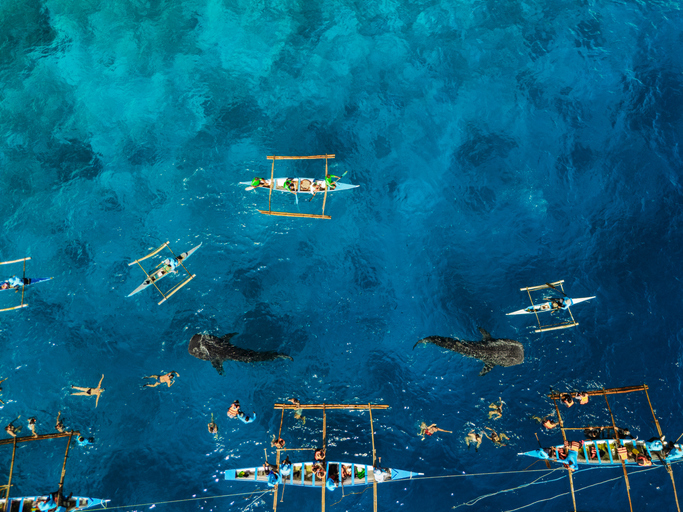
Turtle sanctuaries and whale shark sightseeing expeditions, in particular, have faced criticism when they prioritise visitor experiences over animal welfare, allowing excessive handling, overcrowding, or disruption of natural behaviours under the guise of conservation.
The Harm Caused by Misleading Ecotourism
Misrepresented ecotourism can have serious consequences. Animals may suffer physical or psychological harm, conservation efforts may be underfunded or ineffective, and local communities may be exploited rather than supported. Tourists, despite their good intentions, may unknowingly contribute to unethical practices.
This form of tourism also undermines trust in genuine conservation initiatives, making it harder for responsible organisations to gain support.
How to Research Ethical Ecotourism Experiences
To ensure that a tourism experience is genuinely ethical, travellers must take responsibility for conducting thorough research. Reputable organisations are transparent about their practices, funding allocation, and animal welfare policies, and reading independent reviews from former visitors and volunteers can provide valuable insight into daily operations. Travellers can also look for operators aligned with the Global Sustainable Tourism Council (GSTC), which sets global standards for ethical and sustainable tourism, while remembering that certifications should be used as a starting point rather than a guarantee.
Ethical wildlife experiences generally avoid unnecessary animal contact and focus on observation and education, and travellers should be willing to ask direct questions about conservation impact before booking. Sharing honest reviews after visiting ecotourism sites can further support responsible travel by helping other travellers make informed choices and encouraging operators to uphold ethical practices.
Conclusion
My experience at the turtle sanctuary was a reminder that ethical travel requires more than good intentions. True ecotourism demands accountability, transparency, and a commitment to animal welfare and environmental protection.
As travellers, we have the power to influence the tourism industry through informed choices. By researching carefully, asking the right questions, and sharing honest experiences, tourism can become a force that protects rather than exploits the natural world.